MAVIS STAPLES
Sad and Beautiful World

ANTI- Records – 88088-2
In 1950, at age 11, Mavis Staples began singing in public in a Chicago church with her family, who would go on to achieve worldwide renown as the Staple Singers. What a blessing the world has received from her during the ensuing 75 years. The blessings continue with Sad and Beautiful World, her 16th solo album and first studio recording since We Get By (2019), extending her commitment to both spirituality and social consciousness. As the album title implies, she’s addressing a fundamental duality that characterizes the human experience. Listening to the ten selections, drawn from a diverse range of contemporary and legendary songwriters, is like hearing someone deep in prayer directed at making the world a better place for all. She may not be a songwriter, but she takes possession of the songs with the rich, warm, impassioned burr of her immediately recognizable voice.
The program begins autobiographically with Tom Waits and Kathleen Brennan’s Chicago, a tale of the Great Migration of African Americans looking for better world by moving north from the Jim Crow South—the journey from Dockery Plantation to Chicago that her parents Roebuck “Pops” and Oceola Staples made in 1936. It’s a rowdy, tumbling blues number energized by the interweaving guitars of Buddy Guy, Rick Holmstrom, and Derek Trucks. Beautiful Strangers by Kevin Morby is a poignant ballad that asserts that transcendence is possible, even as it recalls terrorist shootings in Paris and Orlando and the killing of Freddie Gray in Baltimore. With lines like “If you ever hear that sound now / If the door gets kicked in here, they come now / Think of others, be their cover / I am what they’re not,” it throws a lifeline of hope to besieged people in cities like Chicago in 2025. The title track from the late Mark Linkous is a haunting lament that urges folks to persevere. Another anthem to resilience, Human Mind, written by Allison Russell and Hozier for Staples, features the clearly autobiographical lines “I dealed in loss, Daddy / I am the last, Daddy, last of us / Ain’t always easy to believe / I miss my family, Daddy.” Those words must have been difficult for her to sing but serve as testimony to her commitment to carry on. David Rawlings and Gillian Welch’s Hard Times traces a similar theme but takes a different tack, a funky, countrified tale of a man and his mule that calls to mind the Band and could easily have come from the pen of Robbie Robertson and been sung by Levon Helm. Trucks’ slide guitar arpeggios accenting Staples’ vocal reinforce the connection as they evoke Robertson’s staccato attack on his Telecaster. Both Frank Ocean and David Ho’s Godspeed and Leonard Cohen’s Anthem extend the theme and take on new life with Staples’ warm, soulful delivery. She heads home to the old neighborhood with We Got to Have Peace by Curtis Mayfield, a childhood friend mentored by her father. Jack Rhodes & Red Hayes’ Satisfied Mind, a classic that’s been recorded by everyone from Porter Wagoner to Bob Dylan, Mahalia Jackson to Lucinda Williams, is a perfect vehicle for the sincerity and passion of Staples’ gospel delivery. The program concludes with a return to her early 1970s glory days with a rocking southern soul classic Everybody Needs Love by the Muscle Shoals–associated guitarist/composer Eddie Hinton that is highlighted by the stinging slide guitar of Bonnie Raitt. Kudos should go to producer Brad Cook for helping Mavis Staples craft a late career benediction with Sad and Beautiful World.
—Robert H. Cataliotti
JIMMY BURNS & SOUL MESSAGE BAND
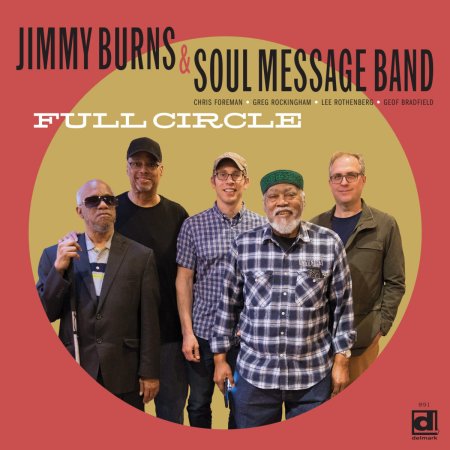
Full Circle
Delmark – 891
Although he’s venerated today as an elder statesman of the blues in Chicago, guitarist/vocalist Jimmy Burns has explored myriad genres—doo-wop, acoustic folk, soul, pop, and rock, as well as blues—over the course of his 65-plus-year career. His releases on such labels as USA, Minit, Tip Top, Erica, and Dispo are treasured by collectors as masterpieces of 1960s/’70s-era Chicago soul (one of the bands he worked with during this time, the Fantastic Epics, later morphed into the legendary street funk aggregation Rasputin’s Stash). This collection features remakes of some of those sides, as well as other offerings that Burns selected as representative of his rich and varied musical roots.
Under the assumption that the remakes of Burns’ soul classics will be of most interest to LB readers, this review will focus on them. Although Burns has insisted that he never actually performed any of those songs, he did have the Epics with him in the studio on the original version of It Use to Be, released on Tip Top in 1966. He delivered it in a soaring baritone, sounding like a cross between Roy Hamilton and the Righteous Brothers’ Bill Medley; here, he recasts it as an autumnal paean to regret, although he summons some of his old fire on the extended coda as vocalist Typhanie Monique purrs insinuatingly alongside him. Give Her to Me, originally released on Tip Top in 1965, hews more closely to the original feel—a typical mid-’60s meld of aching desire and jaunty danceability—although Chris Foreman’s B3 adds a churchy jubilation to the proceedings, replacing Gerald Sims’ stinging blues-inflected guitar stabs in the original. I Really Love You dates back to the early ’70s (on Erica); originally a hard-driving pop/soul outing that inspired Burns to unfurl his most dynamic, gospel-powered vocals, it’s still a lively workout as the horns lay down a somewhat irony-tinged riff (in contrast to the full-bodied grandiosity of the original horn line) behind Burns’ delivery, which is formidable and convincing. Where Does That Leave Me was one of Burns’ last soul outings, released on Dispo in 1971 or so; he remembers that Donny Hathaway arranged it and played keyboards, and Bill “Howl-N-Madd Perry,” later renowned as one of Clarksdale’s leading blues musicians and educators, was also on the session. It’s a swaying pop ballad, no doubt already somewhat anachronistic when it was released, but Burns—belying his 82 years—brings the requisite amount of callow longing to his delivery.
Meanwhile, the other offerings on this disc are of the same quality. Soul Message Band, including guitarist Lee Rothenberg, saxophonists Greg Jung and Steve Eisen, and drummer Greg Rockingham, as well as the aforementioned Chris Foreman and Typhanie Monique, have the chops and versatility to both accompany and prod Burns as he eases his way through a set of favorites (his commentary in the liner notes is a special treat). From the reggae-flavored Express Yourself (penned by Burns’ fellow Mississippian Charles Wright) through the bluesily swinging Rock Me Mama (this is what a neighborhood show lounge must have sounded like during the glory days of Bronzeville on Chicago’s South Side) to the salvation-wrung-from-sorrow anthem World of Trouble, his voice is both supple and percussive enough to handle the dancefloor-friendly grooves, and the arrangements are skin-tight yet sufficiently roomy to accommodate lithe soloing, as well as sly vocal riffing from both Monique and Burns himself. All in all, it’s a masterful showing from a true master, whose range and eclecticism may be a surprise to listeners who’ve known him primarily as a roots-rich bluesman, but whose place in the pantheon of Chicago greats is reaffirmed by this excellent set.
—David Whiteis
SEAN McDONALD
Have Mercy!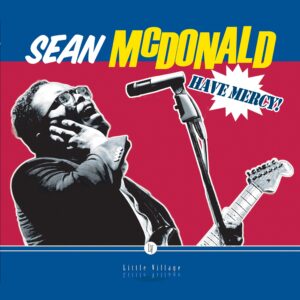
Little Village – LVF 1078
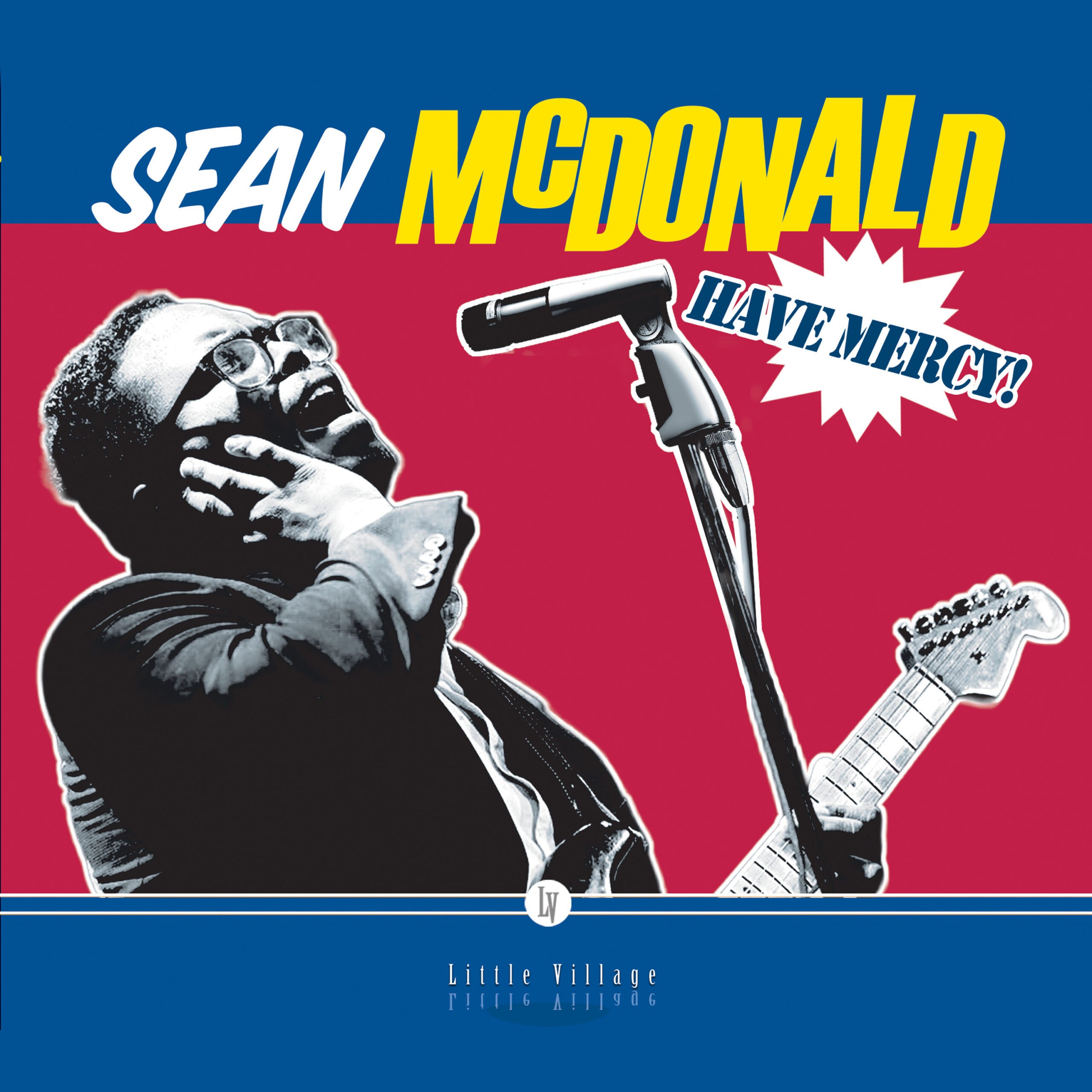
“I greet you at the beginning of a great career, which yet must have had a long foreground somewhere, for such a start.” Those words—written by Ralph Waldo Emerson to Walt Whitman after reading his first book—resonate, for this reviewer, upon hearing Sean McDonald’s excellent debut, Have Mercy! In short, it is a profoundly impressive introductory recording, especially for an artist still in his early 20s. As for foreground, he grew up in Augusta, Georgia, singing and playing various instruments in church before focusing on guitar and digging deeply into the blues. Now an accomplished instrumentalist and confidently engaging vocalist, this recent college graduate seems to have digested much of blues/gospel/soul history and converted it into hybrid fuel for his own fresh music-making. As evidenced by the four original compositions included here, he is an adept songwriter too. With this inaugural album release, McDonald has launched what could indeed be a great career.
Befitting the promise of his talent, McDonald gets strong support from capable collaborators, starting with his co-producer Kid Andersen, who also plays second guitar on one track. Working together at the latter’s studio in California, they create a highly satisfying nine-track set. A veteran rhythm section—featuring Jim Pugh on keyboards, D’Quantae “Q” Johnson on bass, and June Core on drums—anchors the supporting accompaniment, which includes a small but exuberant horn section, plus backing vocals by the Morgan Brothers and Marcel Smith. Collectively, these musicians create an effective sonic backdrop for McDonald’s impassioned lead performance on guitar and vocals.
The outstanding musicianship is well served by the quality of the selected material, including McDonald’s superb reinterpretations of five deep-cut oldies. The album commences with My Soul, an obscure R&B number from 1960 (written by Rudy Ray Moore), which features zesty call-and-response vocalizing between the front man and his backers. In contrast is his exquisite rendition of the slow-paced Rocking in the Same Old Boat, a musical monologue in a minor key (first recorded by Bobby Bland in 1969). Its forebodingly seductive theme is well served by McDonald’s wise-beyond-his-years vocal delivery, including some agile verbal vamping over gentle blasts of trombone and saxes during the hypnotic fade out. Three additional cover selections conclude the setlist. Incorporating some ultra cool vibrato guitar licks, Don’t Let the Devil Ride is a gently swaying gospel song (written and first recorded by Oris Mays in 1968), here graced by background singing worthy of the Dixie Hummingbirds. This track also spotlights McDonald’s smooth vocal range, which can encompass falsetto squeals as well as low-down growls. It is followed by a splendid version of the R&B gem That’s All I Need (written and originally recorded by Ike Turner in 1959) and the damn-near-perfect closer, Let’s Call It a Day (written by Henry Glover, first recorded in 1952). On that soulful finale, McDonald’s assured singing evokes classic Ray Charles with its dignified yet personable feel, part church house and part blues.
While those delectably rendered cover tunes are sequenced mostly at the top or bottom of the track list, McDonald’s own compositions—the savory slices of meat in this musical sandwich, so to speak—are loaded towards the middle.
With its New Orleans–flavored rhythmic foundation augmented by pungent solos on sax and guitar, Fakin’ It is a standout among McDonald’s originals, highlighting his nimble way with words. For example: “Some folks call me the Great Pretender / Some people call me Mack the Clown / My mama says that I should do movies / Because I’m the best actor in town / I have a knack for play and pretend / Yes, Lord, I’m acting so much it’s a sin / Now when I’m grieving, I start deceiving / So dig this new role I’m in / Because I’m fakin’ it, trying to be happy / Fakin’ it because I’m blue.” Also impressive is Killing Me, McDonald’s take on a T-Bone Walker–style blues, featuring a few melismatic vocal flourishes and a potent blend of guitar licks, simultaneously icy and greasy, backed by fat chords on Hammond organ. The lone instrumental track, a jazzy original titled Shuffleboard Swing, showcases McDonald’s most expressive guitar picking, supported by savvy musical interplay among the accompanists. Meanwhile, his Angel Baby is a delightfully juiced-up shuffle. Accentuated by slashing guitar licks, high-energy horns, and one raucously squealing sax solo, this hard-driving love song embodies primal, blues-based rock ’n’ roll in the mode of Chuck Berry.
With his awesome six-string fluency, well-honed vocal skills, grasp of music history, flair for crafting lyrics, and natural poise, Sean McDonald seems capable of becoming one of the major blues artists of his time. Certainly, with this auspicious first album, he has taken a giant step.
—Roger Wood
ROBBIN KAPSALIS
The Blues Is in the House
Blues House Productions – RK 1005
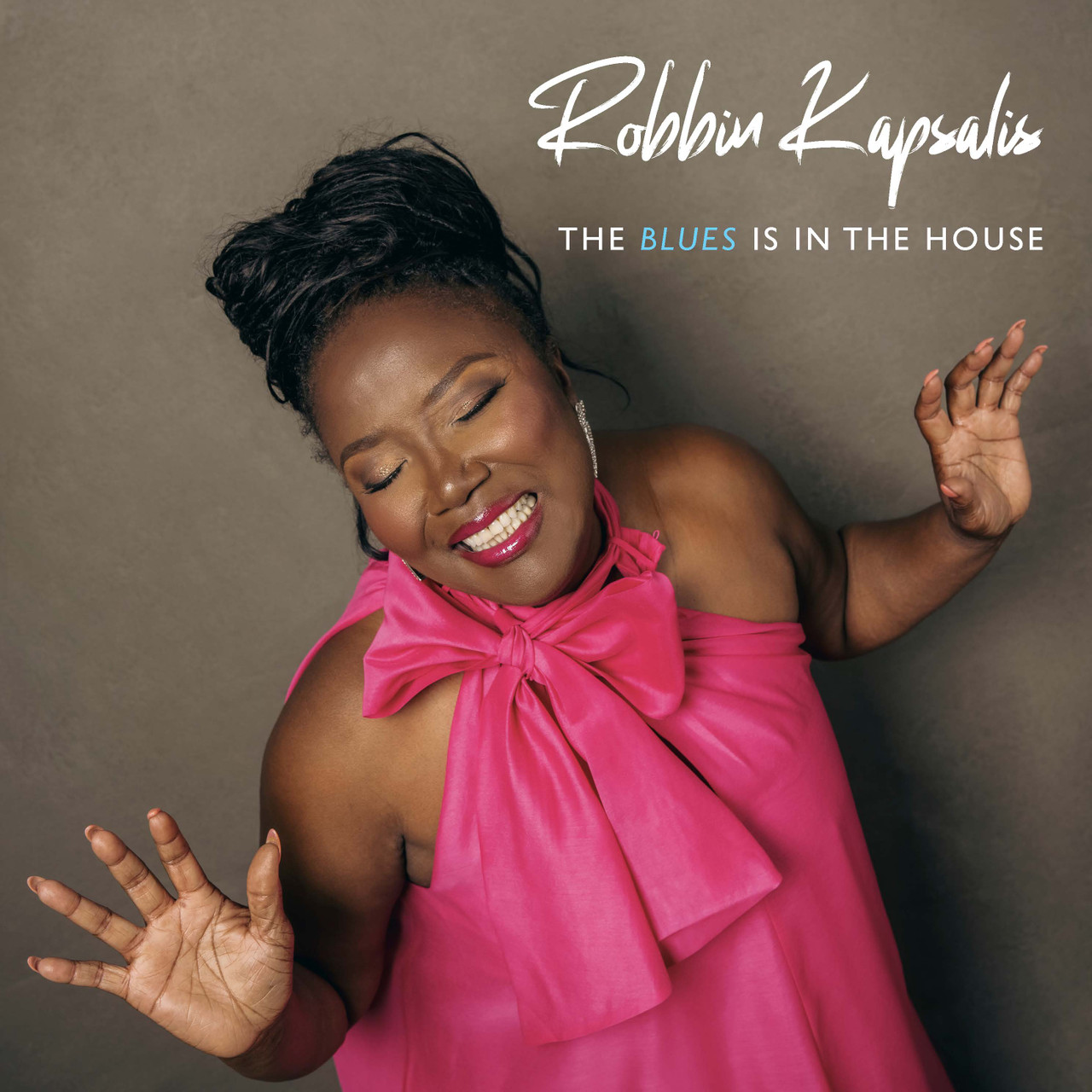
Blues singer Robbin Kapsalis is from Chicago’s South Side, with a career that has taken her from Atlanta to DC and beyond. But to record The Blues Is in the House, she traveled to what might seem an unlikely destination: France. Working with an ace coterie of musicians from Nantes, she has put together a ten-song collection that cherry picks from among chestnuts in and beyond the blues idiom.
The French locale makes sense, though: As acclaimed as she is in her native United States (with well-deserved nods from Living Blues, nominations from the Blues Blast Music Awards, and more), Kapsalis has and continues to tour extensively throughout Europe.
There’s a spare and straightforward sonic aesthetic to the arrangements on The Blues Is in the House, one that well suits the material. With her strong and assured vocals—displaying shades of Koko Taylor—Kapsalis is the undisputed star of the show here, but the band more than holds its own, offering sterling support that places her vocals in the best and most sympathetic musical context possible.
The Blues Is in the House opens with its title track, and the arrangement features spunky and spiky guest guitar work by Joe Louis Walker, recorded not long before his untimely passing in 2025. Up the Line bounces along confidently, and the band’s stop-start approach highlights the song’s dynamics. Giles Robson’s tasty harmonica work deserves special mention.
The searing yet laid-back Lead Me On is a smoky, passionate blues, and Kapsalis effectively and expressively leans into the song’s feel. The Comeback employs familiar blues tropes, but it’s a good-natured romp nonetheless. The blues standard Sittin’ on Top of the World has been recorded by everyone from the Mississippi Sheiks to Bob Wills and His Texas Playboys to Cream to Jack White. Here—Kapsalis’ fine vocal notwithstanding—it’s primarily an instrumental showcase for the work of Robson and guitarists François Nicolleau and Nicolas Deshayes.
Another standard, Rollin’ & Tumblin’ has been committed to wax countless times since its recorded debut nearly a century ago. Kapsalis and her ensemble focus on the tune’s hypnotic elements, giving the arrangement the power and feel of a sleek and efficient locomotive. When Kapsalis draws out a verse’s lyrical opener of “well,” it’s clear that she has vocal power to spare.
Kapsalis’ Love Hangover (Redux) has nothing at all to do with the Diana Ross disco hit of 1976; instead, it’s an original co-written by the singer. Structurally, it’s overly familiar, but considered on its own merits it’s a sturdy enough blues tune. Kapsalis’ howling near the song’s end is spot-on.
The swaggering and sultry Gotta Hear the Blues closes the album on a confident note. Kapsalis and her band convey the character of an ensemble that’s comfortable within itself, made of players who communicate on a subliminal level. And from all available evidence, they’re having a good time doing it.
—Bill Kopp
ROBERT FINLEY
Hallelujah! Don’t Let the Devil Fool Ya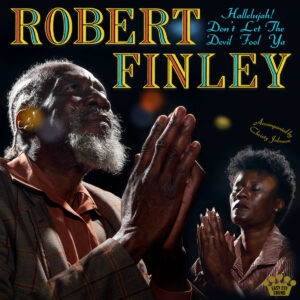
Easy Eye Sound – EES-045
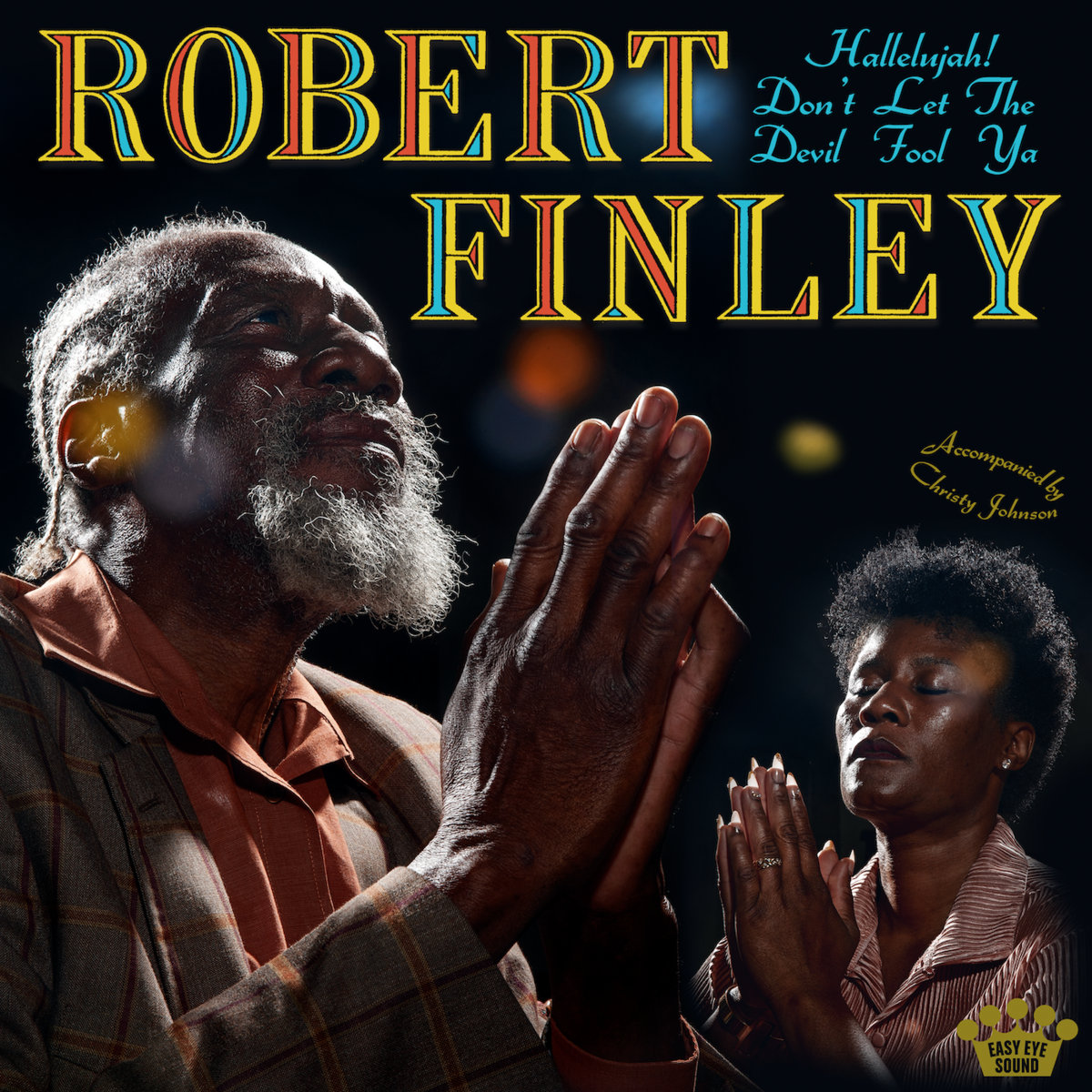
Hallelujah! Don’t Let the Devil Fool Ya finds soul sensation Robert Finley operating on a different plane. Instead of applying that booming voice toward secular pursuits as he has in the past, this time around it’s firmly rooted in the sacred. With Finley’s characteristic charm in full effect, Dan Auerbach’s swinging, swampy production, and some knockout arrangements, Hallelujah! is sure to win over even the most agnostic of listeners.
The LP opens with I Wanna Thank You. It’s a heartfelt call that features vocal contributions from Finley’s daughter, Christy Johnson. Finley pleads with the Lord to not let him fail and to give him strength, then joins Johnson in expressing gratitude. The track sets up one of the key features of the album: the father-daughter dynamic. Praise Him, with an irrepressibly funky bass line courtesy of Tommy Brenneck that evokes his work with the late Charles Bradley, is the type of paean you can dance to. Johnson’s background vocals serve as a delicate counterpoint to Finley’s larger-than-life delivery, helping to underscore the emotional import of the song’s message.
While the lyrics are intended to evoke the spiritual, much of Hallelujah! plays like the type of fare that Finley has mastered during his time on Easy Eye Records. Holy Ghost Party has the type of rhythmic propulsion and groove that would fit right in on Finley’s 2023 album Black Bayou. Auerbach and Barrie Cadogan offer up some hot licks, Jake Botts and Andrew Golden play some tasty saxophone and trumpet fills, and Ray Jacildo kills it on the organ on the album’s best track Can’t Take My Joy. It’s an ebullient call to rise above the hard times and keep positive, themes that are a through line in Finley’s body of work.
Finley and the band bring the project to a close with I Am a Witness. Finley and Johnson offer up a call-and-response vocal delivery that sounds lovely. The familial bond is particularly important here, as Finley tells an autobiographical tale of finding his faith from his father. It concludes the album with a lot of heart and soul.
—Jim Shahen
JAMIAH “DIRTY DEACON DENZEL” ROGERS AND THE DIRTY CHURCH BAND
Dirty Church Row

Dirty Church Records – No #
The next generation of Chicago blues talent is alive and well. For proof of that, look no further than Dirty Church Row, a new live release from Jamiah “Dirty Deacon Denzel” Rogers and his Dirty Church Band. Taken from a 2022 concert at the California Clipper and rediscovered/produced by Rogers’ bassist Aidan Epstein, the album and performance capture the singer/guitarist and his group firing on all cylinders.
Clocking in at just under an hour and featuring six tracks, Dirty Church Row features Rogers and band putting their own bluesy spin on classic rock standards. The most revelatory and dynamic of these renditions is the nearly 15-minute take on the Rolling Stones’ Miss You. They move the track away from its disco rock roots and turn it into an incendiary blues jam that features an interpolation of the soul classic Papa Was a Rollin’ Stone. For the first nine minutes or so, the band is locked into a steady groove. About two thirds of the way through, the situation changes and Rogers unleashes a mighty, winding guitar solo that propels the performance. Epstein and drummer Brandon “Redd” Tolliver pick up on what Rogers is putting down and provide dynamic rhythmic accompaniment for his virtuosic fretwork.
The band’s cover of Hey Joe isn’t a reinvention of the song in the way that Miss You is. This one is rooted in the arrangement and structure of the iconic Jimi Hendrix version and Dirty Church Band performs it with aplomb, with Rogers putting his own stamp on the outro solo. The energy is palpable and it carries over into the next piece, the Beatles’ Come Together. Simply put, this version ROCKS. The tempo is picked up and Rogers plays the riff with a crunchiness that Lennon (or even Joe Perry on the Aerosmith rendition, for that matter) never dreamed of.
Dirty Church Row wraps up with a roughly 11-minute version of Hendrix’s Band of Gypsys’ Who Knows. Tolliver channels his inner Keith Moon and absolutely pummels the skins with a relentless, dynamic beat. His performance helps turn the Dirty Church Band rendition into something that’s less funky than the original, but is instead a thunderous hard rock blues amalgam that allows Rogers to go absolutely bonkers with his lead guitar playing. The track provides a breathless conclusion to a ripping performance and album.
—Jim Shahen
THE LUCKY LOSERS
Arrival
MoMojo – MMJ 395
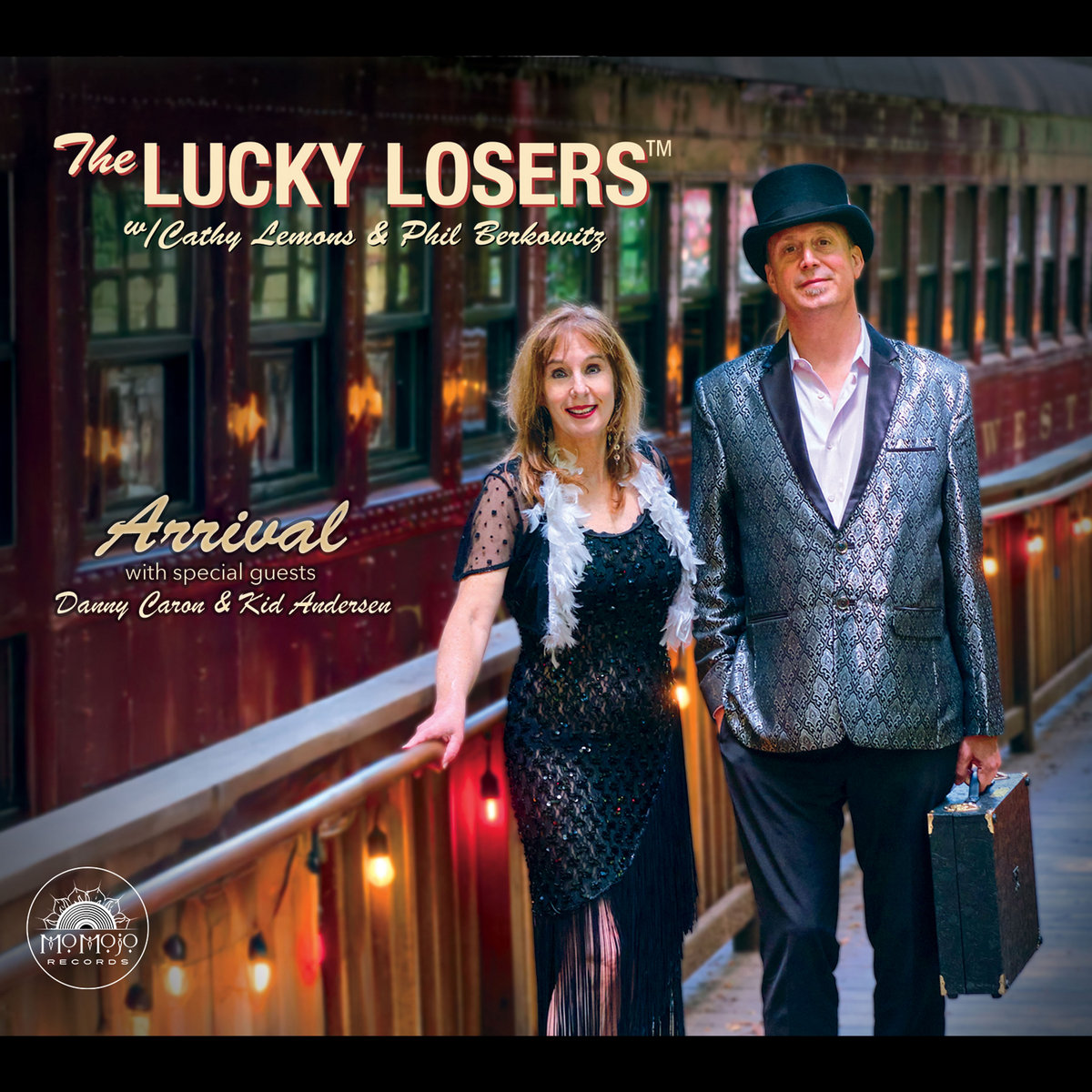
Bay Area combo the Lucky Losers, co-led by singer Cathy Lemons and harmonica player/singer Phil Berkowitz, exhibit a nice blend of blues, soul, and California rock on their sixth album.
The album opens with a timely but gimmicky slow blues, S.C.A.M. The lyrics speak to our collective disgust with scam artists, but the melodic theme isn’t as strong as the message.
The second track, though, better reflects the band’s reputation for possessing a wide-ranging musical curiosity coupled with an equally broad stylistic range. Berkowitz’s Sunday Stroller has streaks of blues, swamp, and funk, all wrapped up in a radio-friendly 1970s California rock groove—not too far from what, say, Little Feat was doing a half-century ago or Fleetwood Mac during their transitional period following Peter Green’s departure. Keyboardist Chris Burns’ Fender Rhodes adds to the vintage vibe, as do the dual guitar leads of Kid Andersen and Danny Caron.
Pull on the Rope, co-written by Lemons and Andersen (who also produced the album), opens with a growling gospel-tinged vocal by Lemons backed by a serious jazz vamp by Burns on what sounds to be a Wurlitzer organ. The strong melody here provides a nice showcase for Lemons to showcase her soulful singing, and also gives Berkowitz a chance to display his strong Chicago-style harp chops.
Berkowitz co-wrote Play It from the Heart with Burns, and takes the opening vocal. Like Sunday Stroller, it’s got a nice West Coast blues / California rock mellowness to it, and a very nice melody. His voice is a bit thin here in the upper register, particularly when Lemons adds harmony vocals and invites a comparison. A real treat, though, is guitarist Simon Govan Smith’s tasty guitar solo—very much equal to the better-known Andersen and Caron’s playing on other tracks.
Contrast that with Berkowitz’s strong, shimmering baritone vocal on Sorry Brother. Another strong melody (this one by Berkowitz and Caron) is given a sparkling collective treatment by the entire band, Burns’ electric piano, Smith’s guitar, and Berkowitz’s harmonica darting in and out, swapping turns on lead.
Another church vamp opens Don’t Let It Slip Away, with a horn chorus bracing Lemons’ soaring lead vocal that calls to mind classic southern soul singers.
Misfit Kids is an up-tempo, blues-infused boogie on which Berkowitz and Lemons share the vocal lead to very nice effect before they slide into a call-and-response.
The album closes out with an acoustic blues, Ain’t the Marrying Kind. Andersen sounds to be on a resonator guitar, trading leads with Berkowtiz’s harmonica, while Lemons and Berkowitz contribute the wink-and-nod vocals.
The overall effect is of a tight band augmented by talented guests running through a mostly strong, if a bit inconsistent, set of new songs.
—Jim Trageser
KIM WILSON
Slow Burn
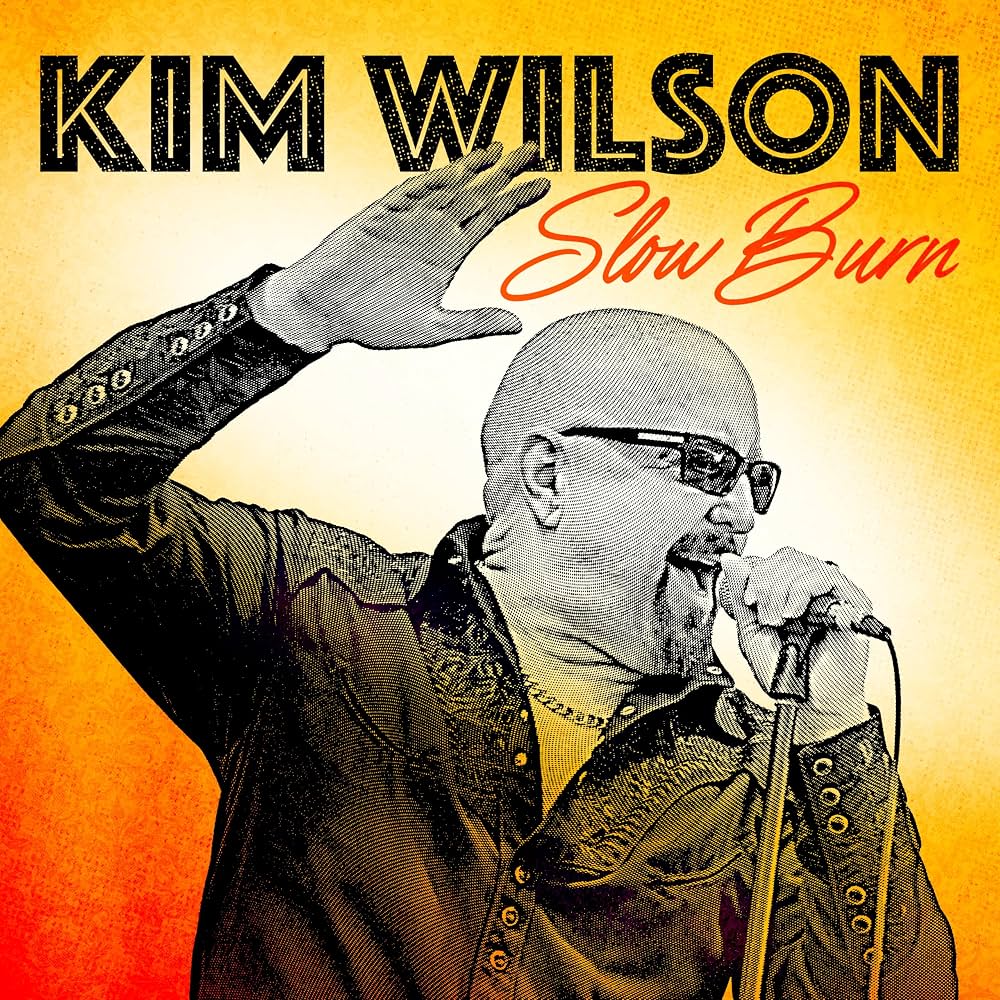
M.C. Records – MC-0096
It’s no secret as to how and why Kim Wilson has managed to establish himself as one of the foremost practitioners of modern blues. After launching his career as lead singer and frontman for the Fabulous Thunderbirds throughout much of the 1980s, he remained true to the blues in all its essential forms. As a solo artist, he’s added an individual sense of urgency and intrigue to all the music he’s made from the early ’90s on.
While his singing and harp playing naturally come to the fore—he’s the musician on the marquee after all—his colleagues take full flight as far as offering individual input as well. The album was originally recorded at two separate sessions, in 2014 and 2020, and features three musicians who have since passed away—drummer Richard Innes, piano player Barrelhouse Chuck, and bassist Larry Taylor. The results do all three men justice. So too, the riveting guitar riffs supplied by Nathan James, Billy Flynn, and Jon Atkinson dominate much of the proceedings while also adding to the overall drive and dynamic. And Barrelhouse Chuck’s piano playing on a swaggering cover of B.B. King’s classic Sweet Little Angel, a reboot of Howlin’ Wolf’s signature standard Howlin’ For My Baby, and the band’s rocking and somewhat revelatory version of Kansas City adds further intrigue.
Not surprisingly, Wilson naturally adds an absolute authority all his own. His powerful presence provides the dynamic that permeates Slow Burn from start to finish. So too, the choice of material adds an emphatic impression all its own. The songs run the gamut in terms of mood and melody, from the mournful blues of Otis Rush’s So Many Roads to the sway and strut of Little Milton’s I’m Tryin’, and Wilson’s own original up-tempo jam Gotta Have a Horse.
Its title aside, Slow Burn is instantly engaging, a provocative display of attitude and agility from start to finish. To a great degree, it’s an album to which every other blues album ought to be compared. Indeed, the diversity adds to its own distinction.
—Lee Zimmerman
DUWAYNE BURNSIDE
Red Rooster
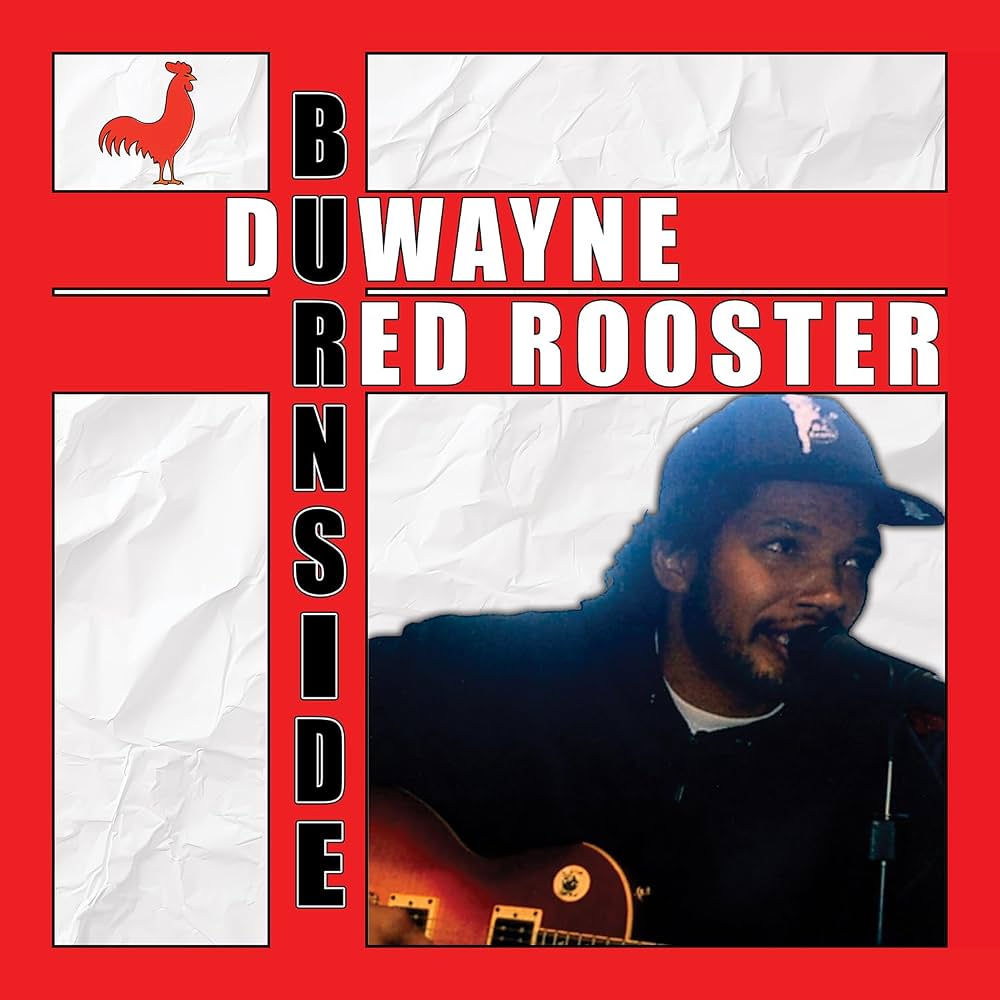
Lucky 13 Records – No #
It’s never easy living up to a legacy, not even one’s own. Take multi-instrumentalist Duwayne Burnside for example. One of 14 children born to legendary North Mississippi musician R.L. Burnside, he not only had his father’s reputation to live up to, but his own, courtesy of his tenure in the rightfully respected North Mississippi Allstars. Then there were the steps that began his individual journey—the album Live at the Mint, released in October 1997, followed by the aptly named Under Pressure in 2005. He gained additional credence after being nominated for the W.C. Handy Award for Best New Blues Artist.
Nevertheless, the path forward wasn’t necessarily the high-speed highway Burnside might have hoped for. According to executive producer Scott Hatch’s very tiny liner notes on the back cover of the new CD (they’re a challenge to read even when wearing reading glasses!), Red Rooster was originally conceived in 2006 but is only now getting its release. The reason for the delay isn’t explained, but one might well assume it had to do with Burnside’s outside obligations. However, the North Mississippi Allstars connection remains entrenched given that the band’s Cody Dickinson sits behind the boards and his brother Luther contributes as well.
While more than half the songs are Burnside’s own compositions, the past also intrudes on the present courtesy of some archival entries— a track by his dad titled Nightmare, the Allstars’ original offering Circle in the Sky, Talk Sweet to Me by Jimbo Mathus, and Down and Out by Bobby Womack. That said, there’s a similarity in sound to Jimi Hendrix in a classic blues mode which provides a ready reference, at least at the outset. That’s evident in the aforementioned opening tracks Nightmare and Circle in the Sky, each of which feature some searing guitar solos.
Given its consistent drive and dynamic, Red Rooster mostly maintains a persistent pace. Somebody Done Stole My Girl is carried along via a steady stride. Its title aside, Things Ain’t Going My Way shares a didactic delivery that otherwise conveys both clarity and confidence. Tribute is slower and more subtle, a decided contrast with the frenzied feel of Crazy ’Bout You, and the defiance and determination represented by Down and Out. King, on the other hand, is mostly distinguished by Cody Dickinson showing a newfound skill as a reliable rapper. Who would have guessed?
The album’s carefree closer, Mississippi Here I Come, marks a distinct departure from the fury and frenzy that came before, courtesy of a pleasing acoustic interlude that mostly brings Taj Mahal to mind.
An exceptional effort, it was indeed a long time in coming. Happily then, Red Rooster gives Burnside plenty he can crow about.
—Lee Zimmerman
MISSISSIPPI HEAT
Don’t Look Back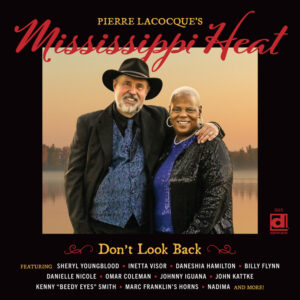
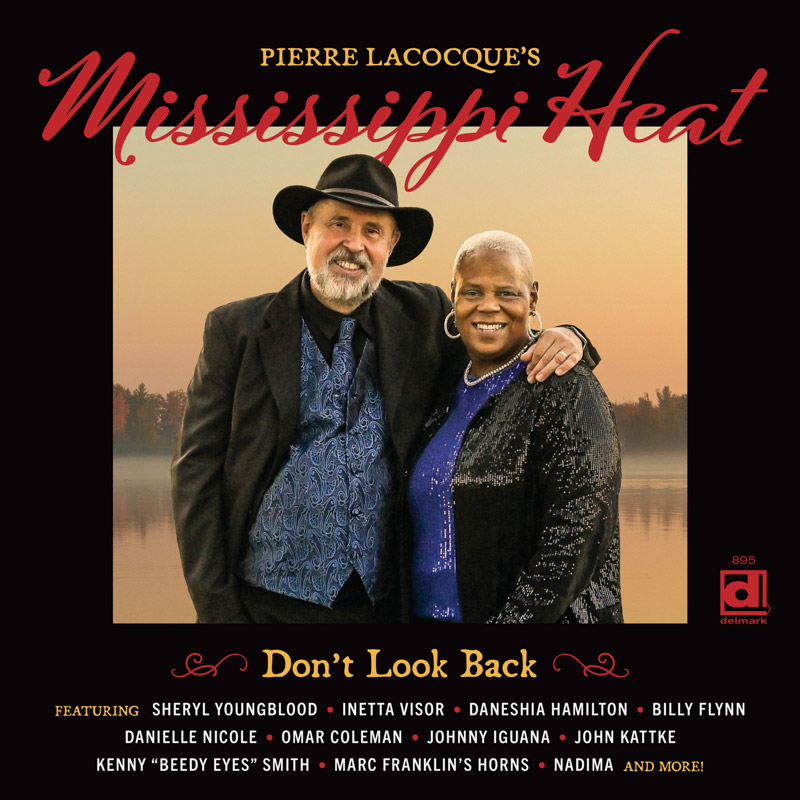
Delmark – 895
Israel-born with Belgian roots, Pierre Lacocque doesn’t—at least on paper—present as the most likely of authentic blues artists. But beginning with 1992’s Straight from the Heart, he and his group, Mississippi Heat, have been reliably churning out quality, real-deal blues releases. The band name notwithstanding, Mississippi Heat is based in Chicago. The group’s 14th set, Don’t Look Back signals a return to that city’s Delmark Records, the label that released six of their most well-regarded releases in the period from 2005 to 2016.
Per Lacocque’s time-tested approach, the band on Don’t Look Back is a large and versatile one. No less than 21 musicians are credited on the album; notable personnel include singer-harpist Omar Coleman (harp on two tracks), Danielle Nicole (vocals on two tracks), and spectacular pianist Johnny Iguana on nine tracks. Powerhouse vocalist Sheryl Youngblood provides vocals on nine tunes, and Lacocque is on hand for unamplified harp on all tracks plus amped harp when duetting with Coleman.
There’s a rollicking, good-timing vibe right out of the gate with You Ain’t the Only One; a loping beat chugs along with plenty of verve and sass, and for bonus points a subtle gospel feel. Lacocque peels off an impressive solo that listeners will wish went on longer.
With an early rock ’n’ roll feel, the guitar work on Third Wheel adds another element and underscores the band’s skill and adaptability. The jump blues of Quarter to Three is exuberant and insistent, and—though it’s initially low in the mix—Iguana’s piano is the icing on the cake. When he takes a solo, it’s a thrill ride.
Johnny Iguana shares center stage with Youngblood on the dripping-with-emotion Stepped Out of Line. Joined by the soulful Nadima vocal ensemble (Nanette Frank, Diane Madison, and Mae Koen), Youngblood turns in one of the album’s best performances. And Nadima is also on hand for superb vocal support on four other cuts on Don’t Look Back.
On Can’t Take It, Youngblood’s spirited voice spars in lively fashion with Lacocque’s harp, the band pummeling along in tight formation. The musicians pull out all the stops—and Lacocque blows like mad—on Love (It Makes You Do Most Anything).
The band turns nostalgic for The Sock Hop, a tune that digs into the space where blues and early rock ’n’ roll connected. The party-oriented lyrics (and backing shoo-be-doo-wop chorus work) match up seamlessly with the horn-heavy arrangement. The overall proceedings stick faithfully close to the blues idiom, exemplified by the bouncy title track. Coleman takes the spotlight for a lead vocal on the album closer, the hard-charging Four Steel Walls. It sports a feel that’s subtly different from the rest of the album, but it’s so good that few will mind.
—Bill Kopp